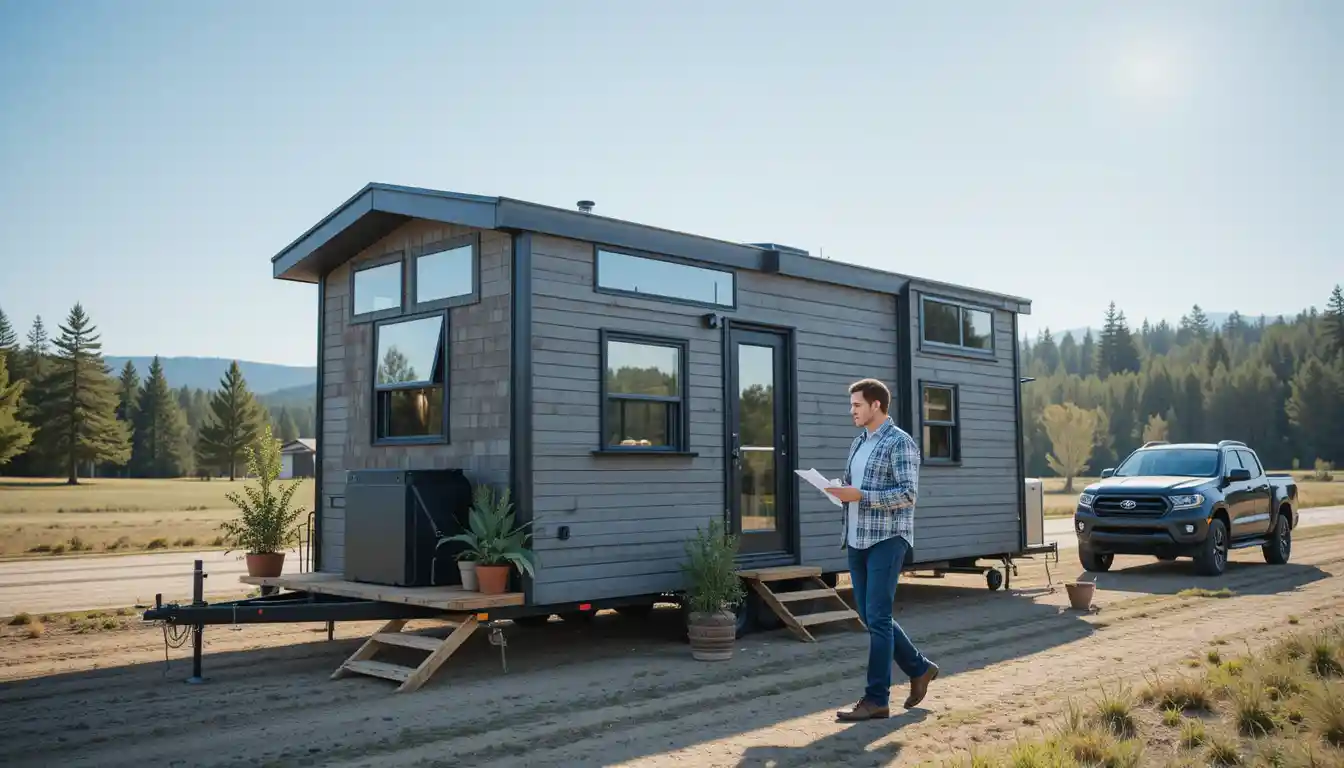
The Complete Checklist for Buying a Portable Homes for the First Time.
The dream of a portable home has captured the imagination of many in the USA, offering unparalleled flexibility, financial liberation, and the freedom to explore. Whether you’re eyeing a tiny home on wheels, a park model RV, or a modular cabin designed for relocation, buying a portable home for the first time is an exciting journey that requires meticulous planning and a comprehensive understanding of what you’re getting into. Unlike traditional real estate, portable homes come with a unique set of considerations, from legal classifications to long-term parking solutions. This complete checklist will guide first-time buyers through the essential steps, ensuring a smooth transition into the mobile lifestyle.
Before you start Browse models, clarify your motivations and understand the different types of portable homes.
Clarify Your Lifestyle Goals:
Mobility Level: Do you plan to move frequently, seasonally, or just once or twice in its lifetime? This dictates the type of portable home.
Full-Time vs. Part-Time: Will this be your primary residence, a vacation home, or a temporary solution?
Travel Aspirations: Do you want to tour the country, or just live in different regions?
Budget: Be realistic about what you can afford upfront and for ongoing costs.
Understand Portable Home Types:
Tiny Home on Wheels (THOW): Built on a trailer, typically under 400 sq ft, designed for mobility. Often classified as an RV (Recreational Vehicle).
Park Model RV (PMRV): Larger than THOWs (up to 400 sq ft, excluding lofts/porches), built on a single chassis but designed for semi-permanent placement in RV parks or private land. Classified under ANSI A119.5.
Modular Cabins/Homes: Built in sections in a factory and transported to a site. While “portable” in construction, they are often placed on permanent foundations and are less frequently moved once installed. Classified under state/local building codes.
Travel Trailers/5th Wheels: Traditional RVs primarily designed for recreational travel, not typically full-time residency, though some are used as such.
Container Homes: Modified shipping containers. Can be portable if designed for easy relocation, but often more permanent.
Phase 2: The Practicalities – Legal, Financial, and Logistical
This phase is critical for avoiding costly mistakes and ensuring long-term viability.
Research Zoning & Parking Regulations (Crucial for USA Buyers):
State & Local Laws: This is the most challenging aspect. Research where you can legally park and live in your chosen portable home type. Many jurisdictions prohibit full-time residency in RVs or THOWs outside of designated RV parks.
ADU (Accessory Dwelling Unit) Laws: Some areas allow tiny homes (often on foundations) as ADUs in backyards.
Tiny Home Friendly Communities/RV Parks: Identify specific communities, campgrounds, or private land owners that permit long-term stays.
Permits: Understand any permits required for parking, utility hookups, or long-term placement.
Budgeting & Financing:
Purchase Price: Get quotes for different models, factoring in customization.
Financing Options: Unlike traditional mortgages, THOWs/PMRVs often require RV loans, personal loans, or chattel loans. Modular homes on foundations can sometimes qualify for traditional mortgages.
Insurance: Research specialized RV insurance or homeowner’s insurance for portable homes.
Site Costs (if applicable): Factor in land purchase, site preparation, utility trenching, and hookup fees.
Transportation/Delivery Fees: Moving a portable home can be expensive, especially for larger units or long distances.
Taxes: Understand sales tax on the purchase and potential property taxes if it’s permanently affixed.
Ongoing Costs: Fuel for towing, RV park fees, utility bills, maintenance, storage costs.
Towing Vehicle (for THOWs/Travel Trailers):
Weight Capacity: If you plan to tow, ensure your vehicle has the towing capacity for the Gross Vehicle Weight Rating (GVWR) of the portable home. Don’t just look at dry weight; consider it fully loaded.
Hitch Type: Ensure compatibility.
Brake Controller: Essential for safe towing.
Phase 3: Choosing Your Portable Home
Now for the fun part: selecting the right model that fits your needs and budget.
Prioritize Functionality & Layout:
Lifestyle Match: Does the layout support your daily routines (cooking, working, sleeping, hobbies)?
Storage Solutions: Look for built-in storage, multi-functional furniture, and clever space-saving designs.
Sleeping Arrangements: Lofts, convertible sofas, or dedicated bedrooms.
Kitchen & Bathroom: Are they adequate for your needs (full-size appliances, composting toilet vs. flush, shower size)?
Construction Quality & Materials:
Insulation: Crucial for energy efficiency and comfort in varying climates. Look for high R-values.
Framing: Steel or wood? Ensure it’s robust for intended use (travel vs. stationary).
Exterior Siding & Roofing: Durable, low-maintenance materials that can withstand weather.
Windows & Doors: Energy-efficient, secure, and well-sealed.
Certifications: RVIA (for RVs/THOWs), ANSI A119.5 (for PMRVs), or IRC/UBC for modular homes. These indicate adherence to safety and construction standards.
Utilities & Off-Grid Capabilities:
Hookups: Ensure compatibility with standard RV park hookups (30 or 50 amp electricity, water, sewer).
Fresh & Grey Water Tanks: Adequate capacity for your usage, if planning off-grid.
Off-Grid Options: Solar panels, battery banks, composting/incinerating toilets, propane systems. Factor these into your budget if desired.
HVAC: Efficient heating and cooling system (mini-splits are common).
Manufacturer Research & Reputation:
Reviews & Testimonials: Look for feedback on quality, customer service, and warranty support.
Factory Tours: If possible, visit the manufacturer’s facility to see the build process and quality control.
Warranty: Understand what’s covered and for how long.
Phase 4: The Final Steps & Settling In
You’ve made your decision; now for the logistics of getting your home ready.
Pre-Purchase Inspection:
Professional Inspection: Strongly recommended, especially for used units. An inspector can identify hidden issues.
Test All Systems: Verify all appliances, plumbing, electrical, HVAC, and slide-outs (if applicable) are fully functional.
Purchase Agreement & Financing Finalization:
Read the Fine Print: Understand all terms, conditions, and what’s included/excluded.
Secure Financing: Have your loan approved and ready.
Insurance Activation:
Ensure you have appropriate insurance coverage before taking possession.
Relocation & Setup:
Professional Movers: For larger units or long distances, consider hiring experienced portable home movers.
Site Preparation: Ensure your chosen spot is ready for delivery and hookups.
Leveling & Securing: Properly level and secure your home upon arrival.
Downsizing & Decluttering:
This process should ideally start before you buy but will continue as you move in. Only bring what you truly need and love. Micro living demands a minimalist mindset.
Learn Your Home’s Systems:
Understand how to operate all utilities, appliances, and maintenance procedures for your specific model.
Can I really live in a portable home full-time in my backyard in a typical residential neighborhood?
In most typical residential neighborhoods in the USA, it is not legally permitted to live full-time in a portable home (like a tiny home on wheels or RV) in your backyard. Zoning laws often prohibit this, or classify them as temporary recreational vehicles, not permanent dwellings. Some progressive cities are changing laws to allow ADUs (Accessory Dwelling Units) on foundations, which can include small modular homes, but this varies widely. Always check local zoning ordinances meticulously.
How do portable homes handle extreme weather conditions?
The ability to handle extreme weather depends heavily on the quality of insulation and the HVAC system. High-end portable homes often feature excellent insulation (high R-values) and efficient mini-split heating/cooling systems, making them comfortable in various climates. Lower-end models may struggle, requiring more energy for climate control. Many mobile dwellers also choose to migrate with the seasons.
Is it difficult to get mail and deliveries when living in a mobile portable home?
It requires planning, but it’s manageable. Options include using a PO Box, a mail forwarding service (which can scan mail for you), or receiving mail at RV parks you stay at. For packages, many services allow you to pick up at local post offices, UPS stores, or Amazon lockers. Some people use a trusted friend or family member’s address as their primary residence.
What’s the biggest unexpected cost for first-time portable home buyers?
For those planning to place their home on private land, the biggest unexpected costs are almost always site preparation and utility hookups. Digging trenches for water, sewer/septic, and electrical lines, along with permits, inspections, and potentially a foundation, can easily add tens of thousands of dollars, often surprising buyers who only budget for the home’s purchase price.
Conclusion:
Buying a portable home for the first time in the USA is an adventure filled with promise and potential. By following this comprehensive checklist, you’ll move beyond the romanticized vision and delve into the practicalities that ensure a successful transition. From understanding legal classifications and navigating complex zoning laws to securing appropriate financing and meticulously choosing a high-quality model, every step is crucial. With diligent research, realistic budgeting, and a clear vision for your mobile lifestyle, you can confidently unlock the freedom and flexibility that a portable home truly offers.