Phone:
(701)814-6992
Physical address:
6296 Donnelly Plaza
Ratkeville, Bahamas.

Phone:
(701)814-6992
Physical address:
6296 Donnelly Plaza
Ratkeville, Bahamas.
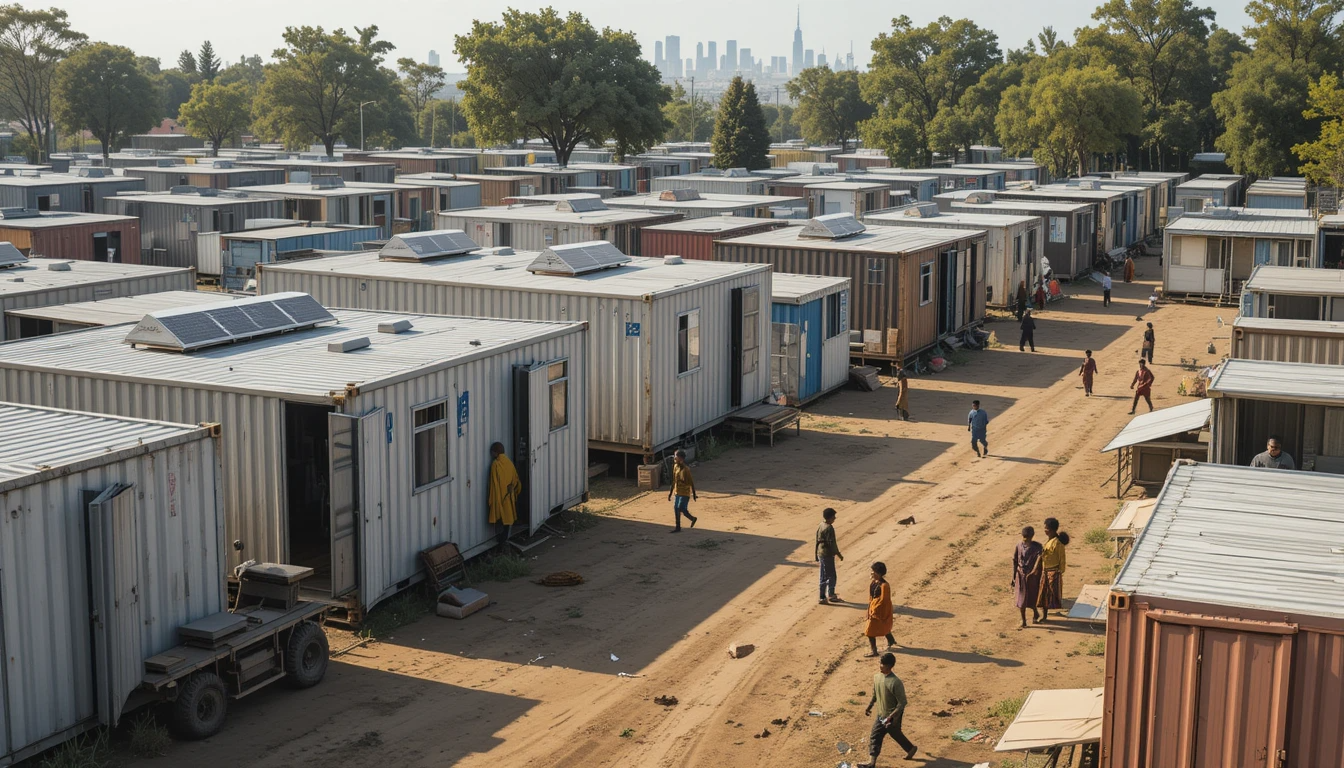
In a world increasingly affected by conflict, persecution, and natural disasters, millions of people are forced to leave their homes every year in search of safety and stability. Refugee crises continue to grow in scale and complexity, prompting urgent global conversations about how to provide humane, efficient, and sustainable shelter for those displaced by these events.
One increasingly viable solution is Refugee Container Housing-a form of modular, quick-setup housing constructed from shipping containers or prefabricated steel units. These structures offer safety, dignity, and durability to people in some of the most challenging circumstances. Though more common internationally, refugee container housing is gaining attention in the U.S. as a scalable solution for temporary and transitional shelter.
🍓 Click Here to Buy Tiny homes 🥃✨
🛒🍓 Grab Your Tiny homes Now! 🥂💎
🍹🍓 Enjoy the Sweetness – Buy Tiny homes Today! 🛍🔥
Refugee container housing refers to repurposed or purpose-built container units that are designed to serve as temporary shelters for individuals and families displaced from their homes. These units are typically:
Often deployed by humanitarian organizations such as the UNHCR, the Red Cross, and NGOs, these units offer a significant upgrade from traditional refugee camps composed of tents or tarpaulins.
While the U.S. may not host refugee camps on the scale seen in countries like Turkey, Jordan, or Lebanon, refugee container housing is still highly relevant to American audiences:
Container housing units can be manufactured and shipped within days. Their stackable design allows them to be transported in bulk via ship, rail, or truck. Upon arrival, they can be deployed within hours, offering immediate shelter.
Built to endure the rigors of global shipping, these steel containers are far more resilient than tents. They offer protection from rain, wind, extreme temperatures, and even pests. Lockable doors and secure construction add safety and privacy-crucial for vulnerable populations.
Containers can be combined to form entire housing villages. They can also be configured into classrooms, clinics, dining halls, or worship centers-creating functioning communities, not just temporary shelters.
Although the initial investment is higher than fabric tents, container housing pays off in the long run. Units are reusable, require less maintenance, and last significantly longer-making them more sustainable and cost-efficient over time.
Many refugee container units are built from repurposed materials. When equipped with solar panels, rainwater collection systems, or composting toilets, they offer low-impact living solutions that align with global environmental goals.
Countries like Jordan and Kenya have used container housing to support Syrian and Somali refugee populations. These units have offered much-needed upgrades from tarpaulin shelters, improving sanitation, education, and security.
During the refugee surge from Syria and Afghanistan, European nations including Germany and Greece deployed container housing to meet short-term needs while long-term asylum decisions were made.
In Colombia and Brazil, container homes have supported Venezuelan refugees fleeing economic collapse and political unrest. The modular format helps integrate displaced people into urban environments more smoothly.
The U.S. plays a critical role in global refugee response, contributing billions to humanitarian aid. However, growing migration pressures and climate change have sparked renewed conversations about domestic capacity. Cities and states across the country are exploring modular container housing to address local challenges involving displaced people, asylum seekers, and even homeless populations.
The lessons learned from international refugee container housing can inform better practices domestically-helping American communities respond faster, more compassionately, and more effectively during crises.
Despite the benefits, refugee container housing is not without its limitations:
To be successful, container housing must be implemented with sensitivity, strategic planning, and community involvement.
While designed for temporary use, many units are built to last 10-15 years with proper maintenance. In protracted refugee situations, families may live in these shelters for several years until resettlement or repatriation becomes possible.
Yes, when properly outfitted. Modern refugee container homes can include insulation, electricity, heating/cooling systems, bathrooms, and even kitchens. Though compact, they offer far greater comfort and security than tents.
Costs vary depending on customization and shipping logistics. On average, a basic container housing unit might range from $5,000 to $10,000, while more advanced models with full amenities can cost $15,000 or more. However, their durability and reusability often offset these costs in long-term scenarios.
Yes. Many international NGOs accept donations for modular housing projects. Americans can contribute through humanitarian organizations such as UNHCR, Doctors Without Borders, and ShelterBox. Some U.S.-based nonprofits also work directly on container-based housing for displaced people.
Refugee container housing offers a practical, scalable, and dignified solution for the growing global crisis of displacement. Whether used internationally in refugee camps or domestically to support resettlement and disaster response, these modular units represent a step forward in how we care for vulnerable populations.
For U.S. policymakers, nonprofit leaders, and everyday citizens, supporting container housing is a meaningful way to ensure that those fleeing hardship are met with humanity, shelter, and a chance to rebuild.
In a world where crises can erupt overnight, having a fast, durable, and compassionate housing solution is no longer optional-it’s essential.